5 Interesting Facts About Dental Implants Most People Do Not Know
Dental implants can restore a smile in a way that looks natural and feels comfortable. Although they are increasingly popular, it is common to have questions about how dental implants work and why they are different from traditional tooth replacements. Learning a few key facts about implants can help you decide whether to ask a dentist about them.
1. Dental implants act like replacement tooth roots
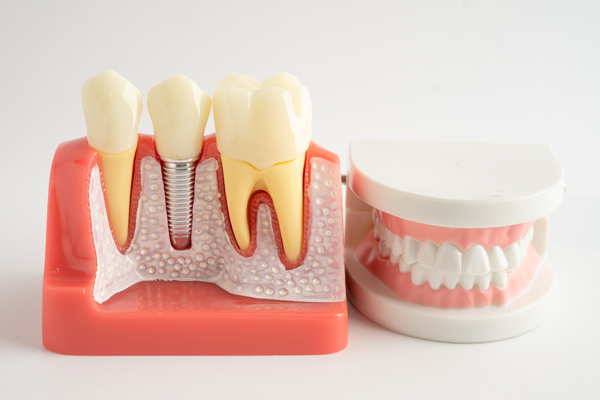
A dental implant does more than replace the visible part of a missing tooth. The treatment starts with a small post that a dentist places in the jawbone. Most implant posts are made of titanium, a strong material that can integrate well with the body. This is key because after placement, the jawbone is expected to grow around the implant post during a healing process called osseointegration. This process is what makes it possible for the implant to act as a new tooth root.
Once osseointegration finishes, the dentist places an abutment on the implant. The abutment connects the implant post to the final restoration: a custom crown, bridge, or denture. Patients can expect the final result to look and feel like a natural part of their smile. They do not have to worry about any metallic parts showing through or the implant restoration slipping or clicking.
2. They can help support the jawbone
Tooth loss can affect the jawbone below the gums. Natural tooth roots stimulate the jawbone when a person bites and chews. When a tooth is missing, that area of the jaw no longer receives the same stimulation. Thus, over the next few weeks and months, the body will begin to break down bone in the area where the tooth once sat. This bone loss can change the shape of the gums and affect the support for nearby teeth.
Dental implants can help address this concern because the implant post sits in the jawbone. The post can provide stimulation during normal chewing, again much like a natural tooth root. This support may help maintain bone in the treatment area and preserve the structure of the smile.
3. Dental implants can replace any number of teeth
Many people picture dental implants as a treatment for a single missing tooth. However, a dentist can use implants in a treatment plan for one gap, several gaps, or an entire smile. This makes them a great alternative to traditional tooth replacements, like removable dentures, traditional bridges, and flipper teeth.
For example, two implants may support a bridge that replaces several missing teeth in a row. This can help a patient avoid placing an implant for every single missing tooth. For patients who have lost most or all of their teeth, several implants can support a full-arch denture.
4. Healthy gums help protect the implant like a seal
Dental implants may look like they only involve the tooth and jawbone, but the gums play an important role too. Healthy gum tissue forms a snug seal around the implant, which helps block bacteria from reaching the deeper tissues that support it.
That is why daily brushing, flossing, and regular dental visits remain important after implant treatment. Gum disease can still develop around an implant, and early signs may include bleeding, swelling, tenderness, or bad breath. Keeping the gums healthy helps protect the foundation that supports the implant, keeping it strong, stable, and comfortable for years to come.
5. Implant-supported restorations do not rely on nearby teeth
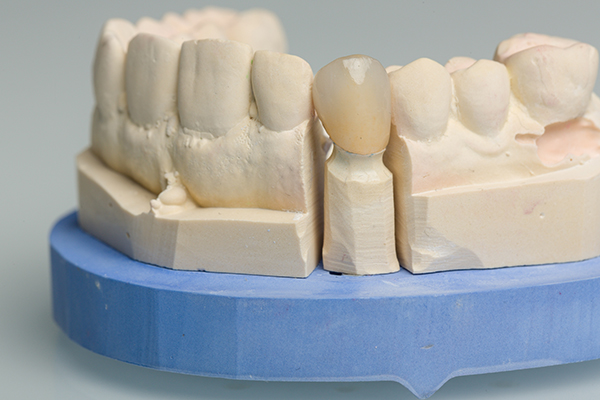
Another interesting benefit of dental implants is that they replace a missing tooth without depending on the teeth beside it. Take a traditional bridge, for example. It can replace a single missing tooth, but it requires support from the teeth next to the gap. The dentist outfits those neighboring teeth with dental crowns so they can hold the bridge in place. This option can work well for many patients, such as when the nearby teeth also need to be restored. For others, it can involve changing healthy tooth structure.
Dental implants are a popular alternative to traditional bridges because they work independently. The dentist places the implant directly in the area of the missing tooth, so nearby teeth do not need to be reshaped. This can help preserve natural enamel and reduce the need to place crowns on teeth that do not otherwise need treatment.
The fact that implants stand independently can also make daily care feel more familiar. Patients can brush and floss around a single implant crown much like they care for their natural teeth.
Want to learn more?
Replacing teeth with dental implants usually happens in stages. The first step is a consultation, during which a dentist can determine whether implants are the best option for a patient's smile. To schedule your consultation, contact Nice Nice Dental today.
Request an appointment here: https://www.nicenicedental.com or call Nice Nice Dental at (623) 777-4227 for an appointment in our Peoria office.
Check out what others are saying about our dental services on Yelp: Dental Implants in Peoria, AZ.
Related Posts
When a single person seeks dental care, they typically go for whoever provides the services they need. However, many find family dentists are the one-stop location for multiple family members needing dental treatment. Here are several benefits to seeking professional care from a family dentist.Family dentists receive the same schooling as general dentists. However, they…
A dental crown can help restore a worn, cracked, or weakened tooth. However, before committing to a crown, many patients want to know how long it will protect their smile. The good news is that crowns are made to last for many years. The exact lifespan depends on the crown material, the health of the…
A family dentist is a dental health care professional who can provide for the oral health needs of a range of individuals, no matter their age. This type of dental professional is recommended to families for many reasons. Here is a closer look at what these professionals offer and five good reasons to choose one…
Tooth decay can cause a variety of symptoms. Whether you have been dealing with a toothache or have noticed a pit in your tooth, a family dentist can help. They will work to restore the tooth with cavity treatment.It is recommended that patients see a dentist as soon as they notice the signs and symptoms…